
Blue Hydrogen: Transforming Global Energy
solar system
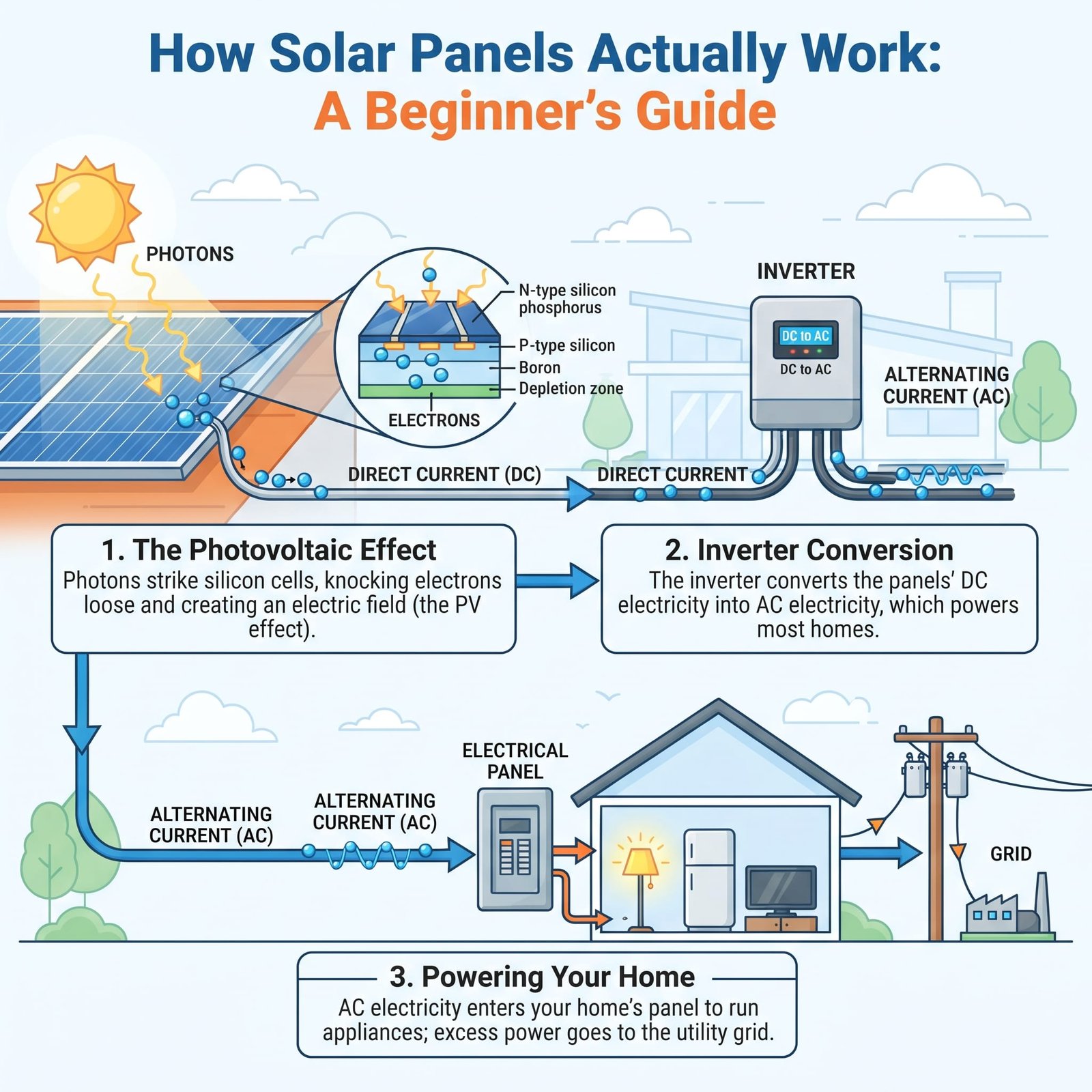
How Solar Panels Actually Work: A Beginner’s Guide Solar panels turn sunlight into electricity through a process that sounds like magic but is really just clever physics. This guide breaks down exactly what happens between the sun hitting your roof and the lights turning on inside your home — no engineering degree required.
We start with the photovoltaic effect: how silicon cells, treated with tiny amounts of phosphorus and boron, create an electric field that knocks electrons loose when photons strike. Those loose electrons become the direct current (DC) flowing out of your panel. From there,
types of natural resources
Natural resources are materials and components found in the environment that humans use to survive, develop, and sustain their economies. They occur naturally without human intervention and can be classified in several ways—most commonly by their availability, origin, and stage of development.
Renewable Resources
Renewable resources can replenish themselves naturally over relatively short periods, making them sustainable if managed responsibly. Solar energy, wind, and flowing water are prime examples
non renewable energy
Non-renewable resources exist in fixed quantities and cannot be replaced within a human lifespan. Fossil fuels—coal, oil, and natural gas—formed over millions of years from decomposed organic matter and are consumed far faster than they regenerate. Minerals and metals like iron,
Biotic and Abiotic Resources
Resources can also be grouped by origin. Biotic resources come from living organisms and the biosphere, including plants, animals, forests, and fossil fuels derived from ancient life. Abiotic resources originate from non-living matter,