
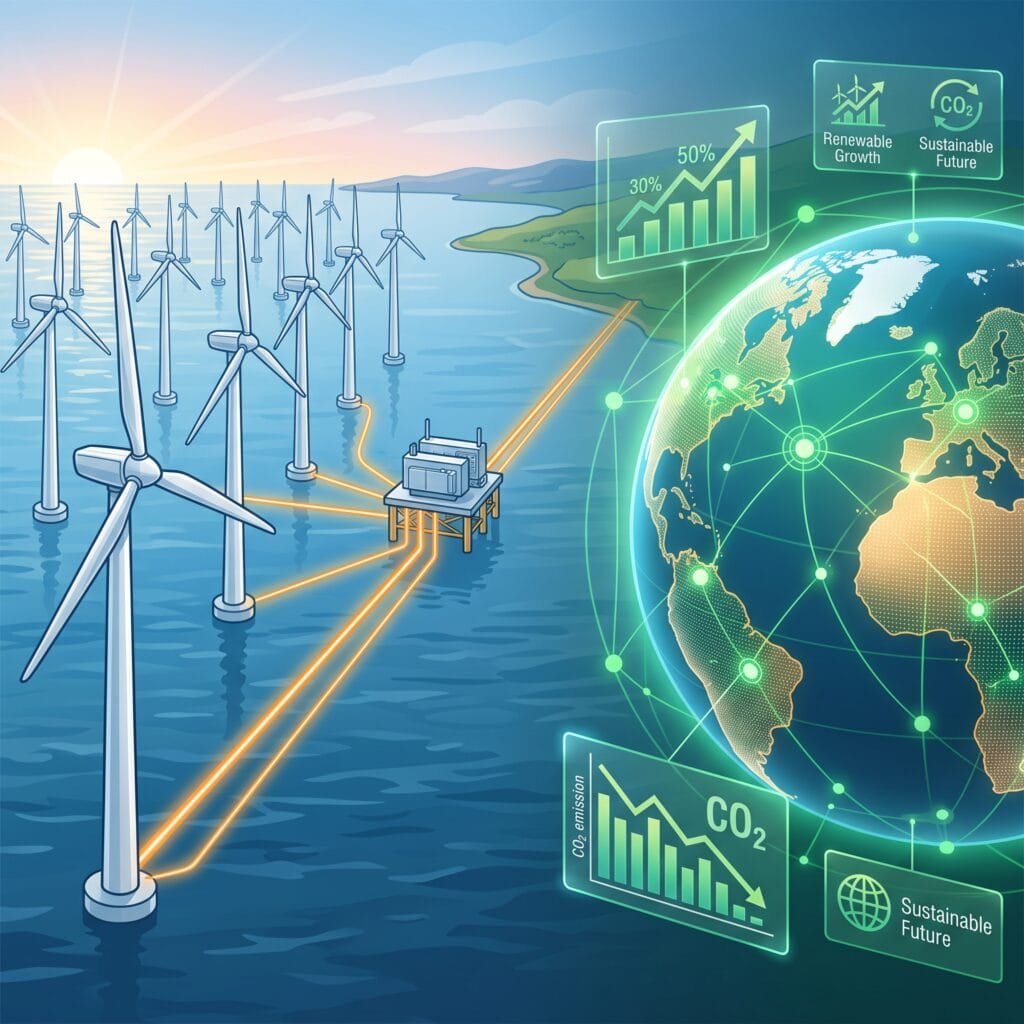
How Wind Turbines Generate Electricity is one of the most common questions people ask when learning about renewable energy. Wind turbines transform the natural movement of wind into electrical energy without burning fossil fuels or producing harmful greenhouse gas emissions during operation. As countries seek cleaner and more sustainable energy sources, wind power has become one of the fastest-growing forms of renewable electricity generation worldwide.The Future of Solar Panel Technology
In this guide, you’ll learn how wind turbines generate electricity, the main components of a wind turbine, and why wind energy is becoming an essential part of the global energy transition.
What Is a Wind Turbine?
A wind turbine is a machine designed to convert the kinetic energy of moving air into electrical energy. Unlike traditional power plants that burn coal, oil, or natural gas, wind turbines use the natural force of the wind to produce electricity.
Modern wind turbines are commonly installed in large wind farms on land (onshore) or in the ocean (offshore). They can also be used as smaller systems to provide electricity for homes, farms, and remote communities.
How Wind Turbines Generate Electricity
Understanding How Wind Turbines Generate Electricity begins with the movement of air.
When the wind blows, it pushes against the turbine blades, causing them to rotate. These rotating blades are connected to a central shaft inside the turbine. The shaft transfers the mechanical energy to a generator, where electromagnetic induction converts mechanical energy into electrical energy.
The electricity produced then travels through cables to a transformer, which increases the voltage for efficient transmission through the electrical grid. Finally, homes, businesses, schools, and industries receive the electricity for everyday use.
This entire process occurs without burning fuel, making wind energy one of the cleanest methods of electricity generation.
Main Components of a Wind Turbine
Several important components work together to produce electricity efficiently.
1. Rotor Blades
Rotor blades capture the wind’s kinetic energy. Their aerodynamic design creates lift, allowing the blades to rotate even in moderate wind conditions.
2. Hub
The hub connects the blades and transfers their rotational movement to the main shaft.
3. Main Shaft
The main shaft carries the rotational energy from the rotor to the gearbox or directly to the generator in direct-drive turbines.
4. Gearbox
Many wind turbines include a gearbox that increases the rotational speed before it reaches the generator. Some newer turbines eliminate the gearbox by using direct-drive technology.
5. Generator
The generator converts mechanical energy into electrical energy using magnetic fields and rotating coils.
6. Nacelle
The nacelle houses the gearbox, generator, shafts, braking system, and electronic controls. It sits on top of the tower.
7. Tower
The tower lifts the turbine high above the ground where winds are stronger and more consistent, improving electricity production.
8. Control System
Modern turbines use computerized systems to monitor wind speed, rotate the turbine toward the wind, and automatically stop operation during extremely high winds for safety.
Step-by-Step Electricity Generation Process
The process can be summarized in several simple steps:
- Wind blows across the blades.
- The blades begin rotating.
- The rotor turns the main shaft.
- The shaft drives the gearbox or generator.
- The generator converts mechanical energy into electricity.
- A transformer increases the voltage.
- Electricity is transmitted through power lines to the electrical grid.
- Consumers use the electricity in homes and businesses.
This efficient process allows wind turbines to generate clean electricity with very low operating emissions.
Factors That Affect Wind Turbine Performance
Several factors determine how much electricity a wind turbine can produce.
Wind Speed
Wind speed is the most important factor. Stronger and more consistent winds generate more electricity. However, turbines operate only within specific wind speed ranges for safety and efficiency.
Blade Design
Modern blades are carefully engineered to maximize lift while minimizing drag, allowing turbines to capture more energy from the wind.
Tower Height
Higher towers reach stronger and steadier winds, improving annual electricity production.
Turbine Size
Larger turbines generally produce more electricity because they capture more wind with longer blades.
Site Location
Open plains, coastal regions, mountain passes, and offshore areas often provide ideal wind conditions for energy production.
Benefits of Wind Energy
Wind energy offers numerous environmental and economic benefits.
- Produces clean electricity with no fuel combustion.
- Reduces greenhouse gas emissions.
- Decreases dependence on fossil fuels.
- Uses renewable and naturally replenished wind resources.
- Creates jobs in manufacturing, construction, maintenance, and engineering.
- Supports long-term energy security.
- Has relatively low operating costs after installation.
- Can coexist with farming and other land uses.
These advantages have made wind power one of the leading renewable energy technologies worldwide.
Challenges of Wind Turbines
Despite their advantages, wind turbines also face several challenges.
Wind availability changes throughout the day, making electricity production variable. Energy storage systems and modern electrical grids help balance this variability.
Initial installation costs can be significant, especially for offshore wind farms. Additionally, careful planning is necessary to reduce visual impacts, noise concerns, and potential effects on birds and wildlife.
Continuous technological improvements are helping overcome many of these challenges while increasing turbine efficiency.
The Future of Wind Turbine Technology
Offshore wind farms are expanding around the world because ocean winds are often stronger and more consistent than winds on land. Floating offshore wind platforms are also opening new opportunities in deeper waters.
As battery storage, smart grids, and renewable energy technologies continue to advance, wind power will play an even greater role in supplying reliable, affordable, and clean electricity.
Conclusion
Understanding How Wind Turbines Generate Electricity helps explain why wind power has become one of the world’s most important renewable energy sources. By converting the kinetic energy of moving air into electrical energy, wind turbines provide clean, sustainable, and environmentally friendly electricity without consuming fossil fuels.
With ongoing technological innovation and growing global investment, wind turbines will continue to support the transition toward a cleaner, more secure, and more sustainable energy future for generations to come.Contact https://www.unesco.org/en/query-list/n/natural-resources
Pingback: 10 Exciting Insights on How Utility-Scale Wind Turbines Work