samdoon

Industrial Biogas and Sustainability using organic waste for renewable energy

Biogas and Sustainability: A Complete Guide

Industrial Biogas and Sustainability describes the connection between industrial biogas production and the environmental, economic, and resource-efficiency goals of modern industries. Industrial biogas is produced when biodegradable organic materials are broken down by microorganisms in an oxygen-free environment through a process called anaerobic digestion. Food-processing residues, beverage-industry waste, wastewater sludge, agricultural by-products, and other suitable

Biogas and Sustainability: A Complete Guide Read More »

Green Hydrogen Fuel Stations for clean transportation

Green Hydrogen Fuel Stations: How They Work

Green Hydrogen Fuel Stations are specialized facilities that supply renewable hydrogen to fuel-cell electric vehicles. Unlike conventional petrol stations, these facilities must receive or produce hydrogen, purify it, compress it, store it safely, and transfer it into a vehicle’s high-pressure tank. Green hydrogen is produced through water electrolysis using renewable electricity from sources such as

Green Hydrogen Fuel Stations: How They Work Read More »

Agricultural Biogas Technology converting farm waste into renewable energy

Agricultural Biogas Technology: A Complete Guide

Agricultural Biogas Technology is a renewable energy technology that converts animal manure, crop residues, and other suitable biodegradable agricultural materials into biogas through anaerobic digestion. The process takes place inside a sealed system where microorganisms break down organic matter in the absence of oxygen. The resulting biogas consists mainly of methane and carbon dioxide, along

Agricultural Biogas Technology: A Complete Guide Read More »

Copper for Electrical Wiring

Copper for Electrical Wiring: Benefits and Uses

Copper for electrical wiring is widely used in residential buildings, commercial facilities, factories, power networks, renewable energy systems, and electronic equipment. Its excellent electrical conductivity, mechanical strength, heat resistance, and long service life make copper one of the most dependable materials for carrying electricity. One of the primary reasons for the use of Copper for

Copper for Electrical Wiring: Benefits and Uses Read More »

Copper for Electrical Wiring

Copper for Electrical Wiring: Benefits and Uses

Copper for electrical wiring is widely used in residential buildings, commercial facilities, factories, power networks, renewable energy systems, and electronic equipment. Its excellent electrical conductivity, mechanical strength, heat resistance, and long service life make copper one of the most dependable materials for carrying electricity. One of the main advantages of using Copper for Electrical Wiring

Copper for Electrical Wiring: Benefits and Uses Read More »

Offshore Wind Turbines at Sea generating renewable electricity

Offshore Wind Turbines at Sea: Clean Energy from the Ocean

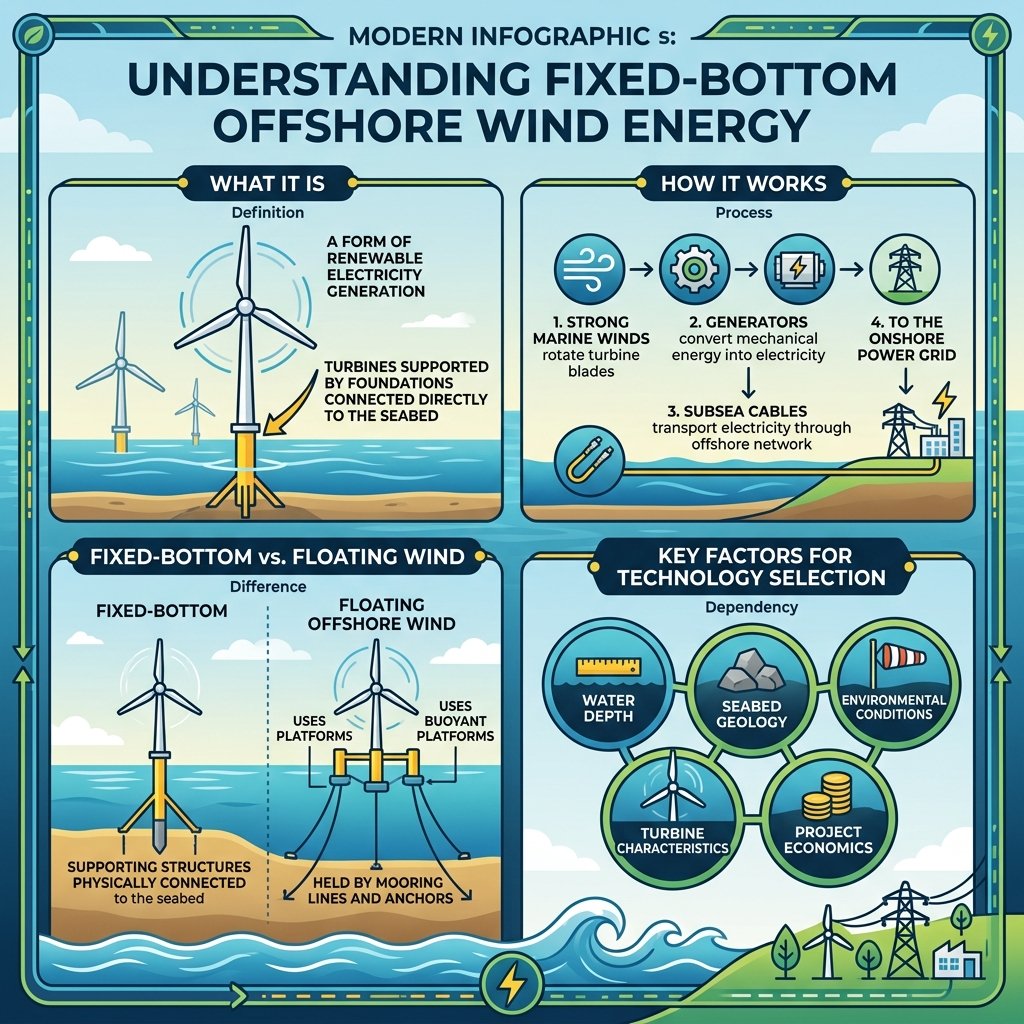
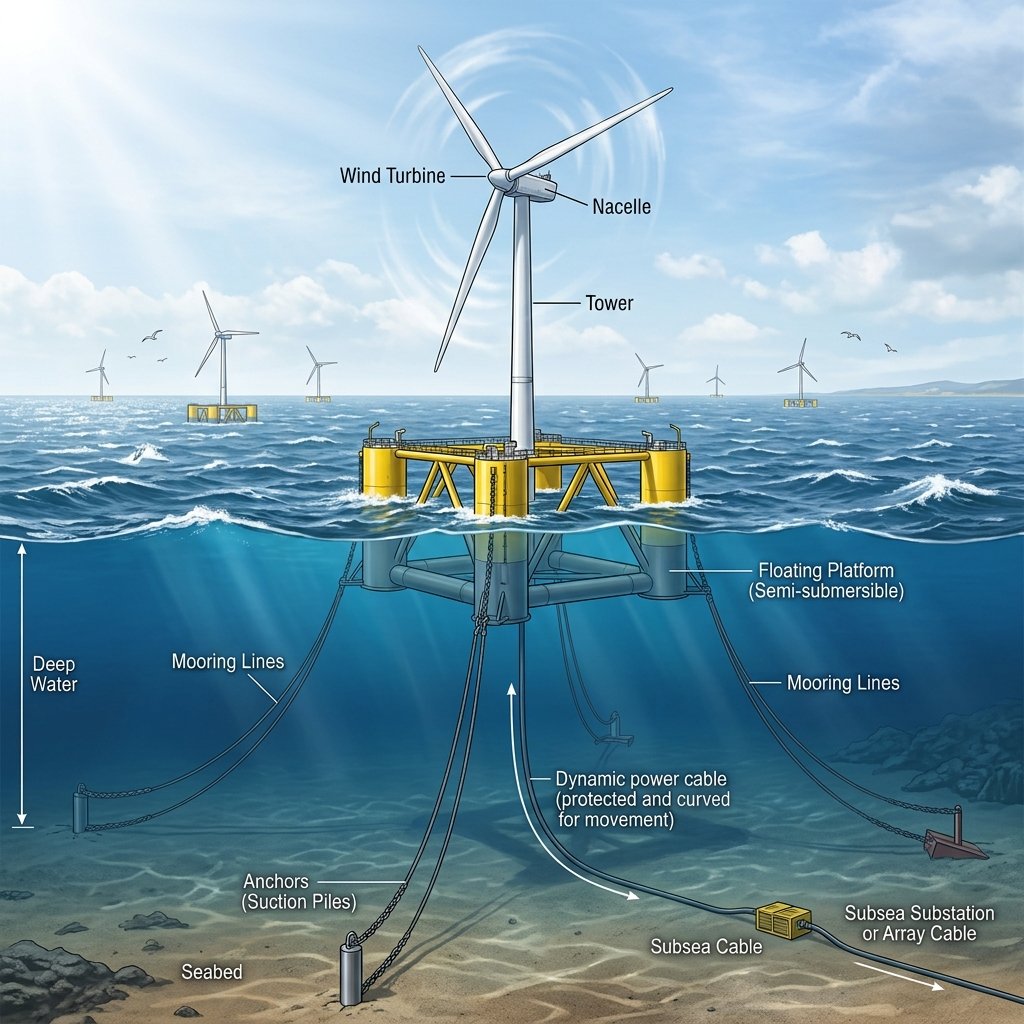
Offshore Wind Turbines at Sea are large renewable energy systems installed in oceans and other large bodies of water to capture strong and relatively consistent winds and convert their kinetic energy into electricity. Offshore wind has become an important part of the transition toward low-carbon electricity because coastal and marine areas can provide substantial wind

Offshore Wind Turbines at Sea: Clean Energy from the Ocean Read More »

Green Hydrogen Aviation aircraft powered by renewable hydrogen

Green Hydrogen Aviation: Benefits and Challenges

Introduction Green Hydrogen Aviation is an emerging approach to reducing the environmental impact of air travel. It involves producing hydrogen through water electrolysis powered by renewable electricity, such as solar, wind, hydroelectric, or geothermal power. The resulting hydrogen can power aircraft directly or help manufacture synthetic aviation fuels. Aviation is particularly difficult to decarbonize because

Green Hydrogen Aviation: Benefits and Challenges Read More »

: Industrial Green Hydrogen Uses

Industrial Green Hydrogen Uses and Benefits

Introduction Industrial Green Hydrogen Uses are becoming increasingly important as governments and companies search for practical ways to reduce carbon emissions from heavy industry. Green hydrogen is produced by splitting water into hydrogen and oxygen through electrolysis powered by renewable electricity. Solar, wind, hydroelectric, and geothermal energy can provide the low-carbon electricity required for this

Industrial Green Hydrogen Uses and Benefits Read More »

Binary Cycle Geothermal Power Plants Explained

Binary Cycle Geothermal Power Plants

Binary Cycle Geothermal Power Plants are an important technology for producing renewable electricity from heat stored beneath the Earth’s surface. Unlike conventional geothermal plants that may use geothermal steam directly to drive a turbine, binary cycle systems transfer underground heat to a separate working fluid. This approach allows electricity to be generated from geothermal resources

Binary Cycle Geothermal Power Plants Read More »

Uranium Waste Treatment and radioactive waste management facility

Uranium Waste Treatment

Uranium Waste Treatment is an important part of responsible uranium mining, nuclear fuel production, and radioactive waste management. Uranium-related activities can generate solid materials, contaminated water, processing residues, and other wastes that require careful management. Because some of these materials contain radioactive elements or hazardous chemicals, they cannot always be handled in the same way

Uranium Waste Treatment Read More »